The Return of Warmth: Why Natural Materials Are Dominating 2025 Interiors
Harsha K. Gupta / 5 min read
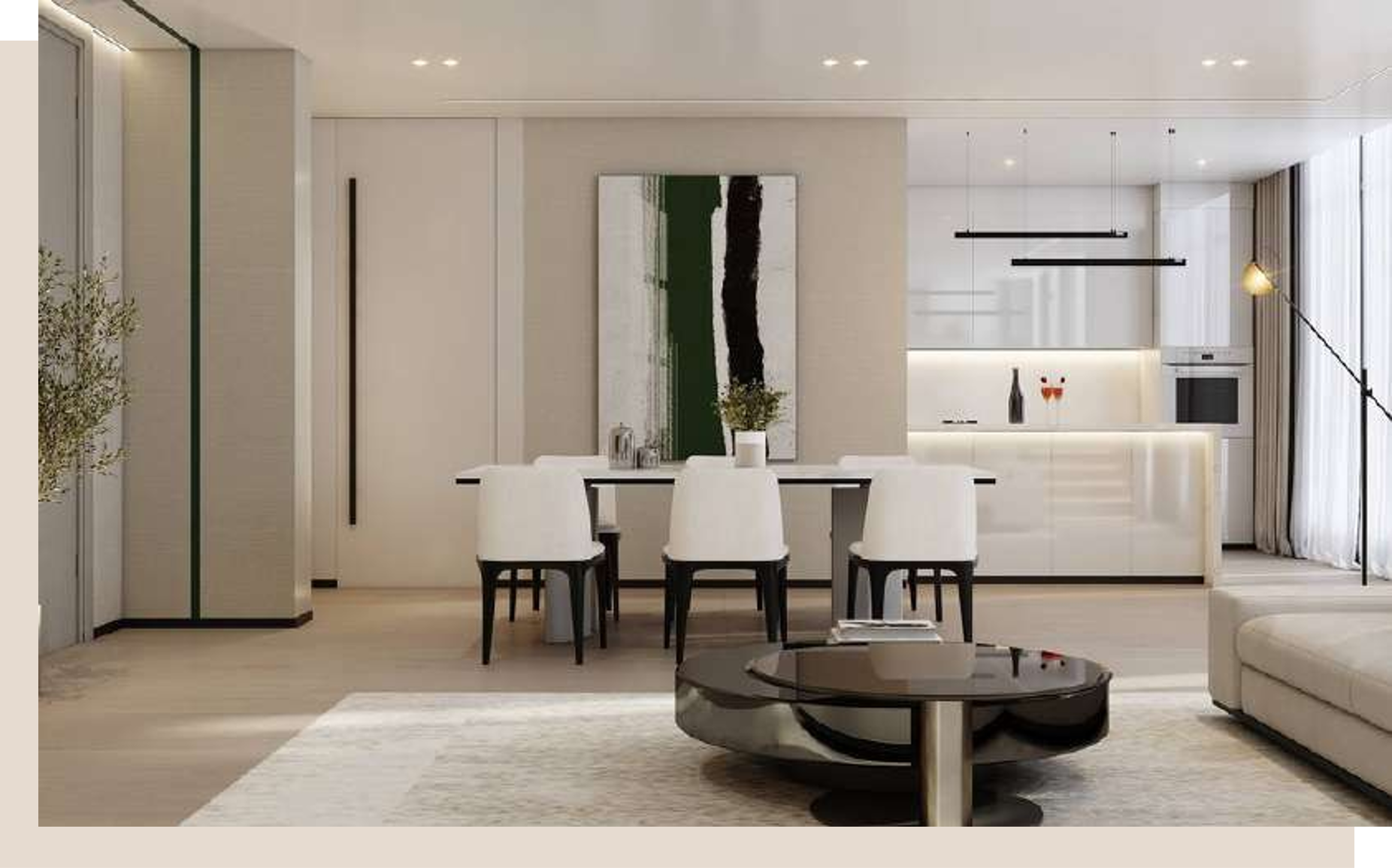
The pendulum is swinging. After years of sleek, minimalist interiors dominated by cool tones and synthetic finishes, 2025 marks a decisive return to materials that speak to our senses — the grain of wood, the texture of stone, the warmth of natural fibers. This is not merely a trend but a response to our collective desire for spaces that ground us, comfort us, and connect us to the natural world.
The Appeal of Imperfection
In our curated digital lives, there is an emerging hunger for the authentic and the imperfect. Natural materials carry with them the marks of their creation — the whorl in a marble slab, the knot in a wooden beam, the irregular weave of a handloom textile. These are not flaws to be hidden but stories to be celebrated. At HSKG, we are increasingly specifying materials that have been shaped by time and nature rather than machines.
Materials to Watch
Terracotta and handmade brick are making a significant comeback, not just for floors but for accent walls, hearths, and even ceilings. Reclaimed and textured wood continues to gain popularity, with clients requesting species that patina beautifully over time. Natural stone — particularly travertine, limestone, and certain marbles with pronounced veining — is being used in increasingly creative ways, from bathroom vanities to sculptural kitchen islands.
Woven materials have moved beyond the expected jute rug. We are seeing sophisticated applications of rattan, cane, and natural fiber panelling in high-end projects. Linen, particularly in its natural, unbleached form, is appearing as both upholstery and drapery, bringing a soft, lived-in quality to interiors.
Sustainability and Authenticity
The convergence of luxury and sustainability is no longer a compromise but an expectation. Clients want to know the provenance of their materials. They want to hear that their dining table was crafted from a single fallen tree, or that their stone was quarried using water reclamation practices. This awareness reflects a deeper shift in values — the recognition that true luxury lies not in excess but in authenticity.
Looking Forward
As we look ahead, we anticipate this movement toward natural materials will continue to evolve. We expect to see more collaboration between designers and craftspeople, more experimental applications of traditional materials, and a continued emphasis on longevity and durability over disposability. The homes we create today should feel even more beautiful in twenty years — a testament to the timeless appeal of materials that improve with age.
About the author
Harsha K. Gupta writes from the HSKG studio on design craft, client experience, and the decisions that make interiors endure.
Related Articles
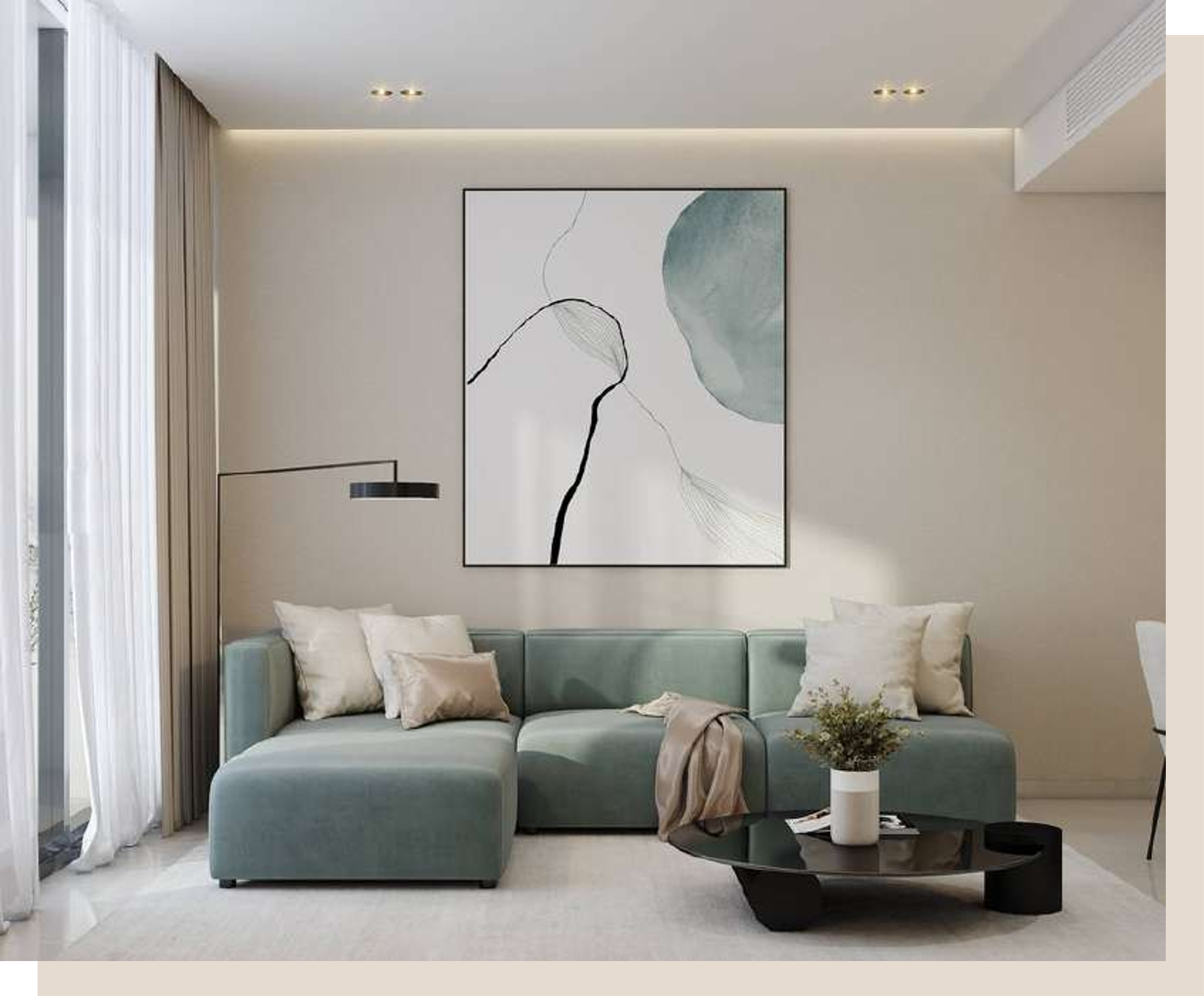
Designing for Multi-Generational Living: Balancing Style and Function
Creating homes that serve multiple generations requires a nuanced approach to design — one that balances privacy with togetherness.
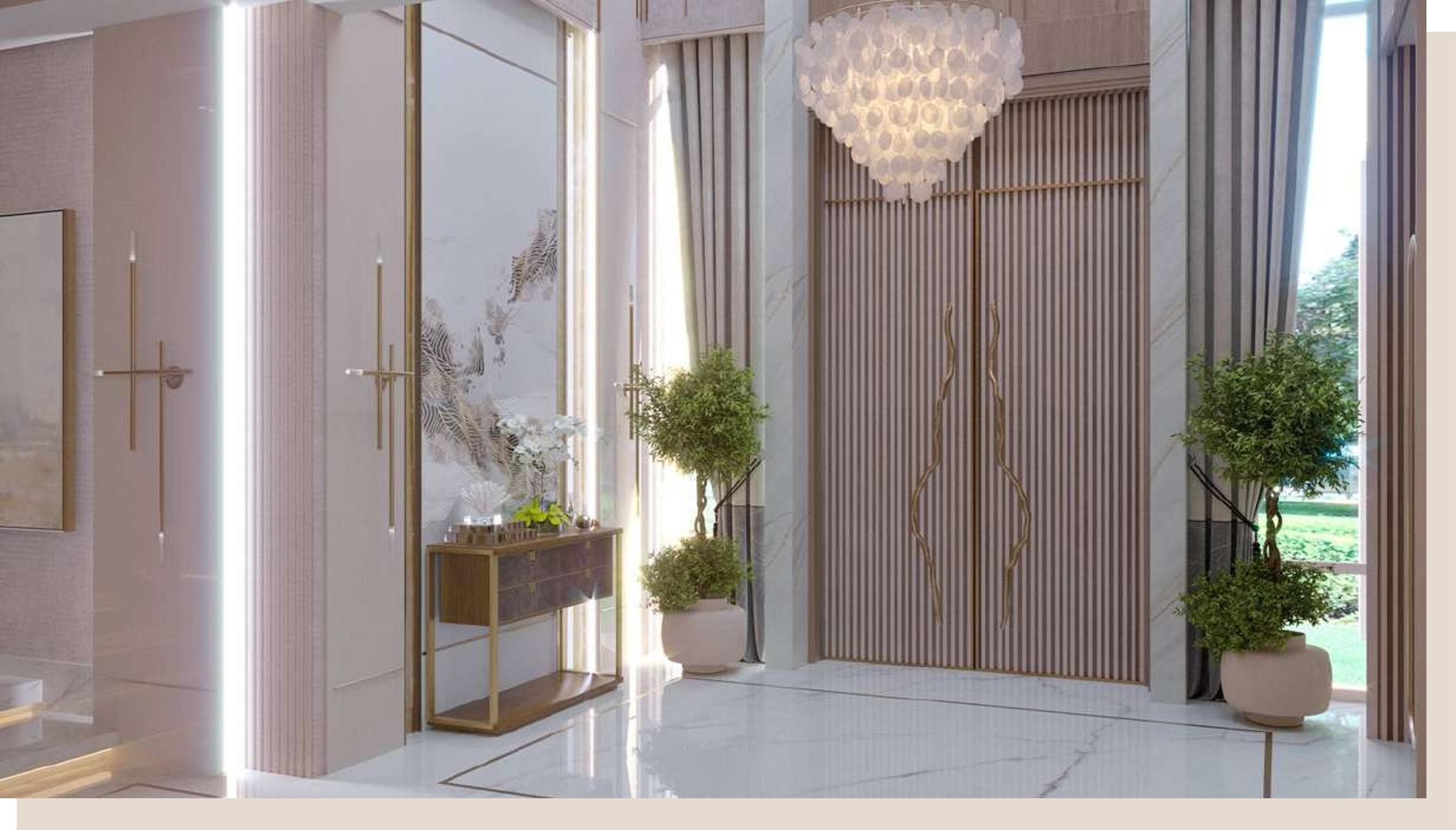
Stone, Wood, and Brass: A Guide to Timeless Material Combinations
Certain material pairings have stood the test of time, creating interiors that feel both classic and fresh.